

Personal Training Review: Is a Trainer Right for You?

A personal training review should answer more than one question: “Will this help me get results?” For most people, the better question is whether having a coach will make fitness feel more doable in the middle of real life - work schedules, family responsibilities, energy dips, and all. The right trainer does not expect perfection. They help you build a routine that fits who you are and where you want to go.
Personal training can be a meaningful investment in your health, but it is not one-size-fits-all. Some members want detailed instruction with every workout. Others need accountability, a fresh plan, or the confidence to use the gym floor without feeling unsure. Knowing what to expect makes it easier to decide whether personal training is the support you need right now.
What Personal Training Should Feel Like
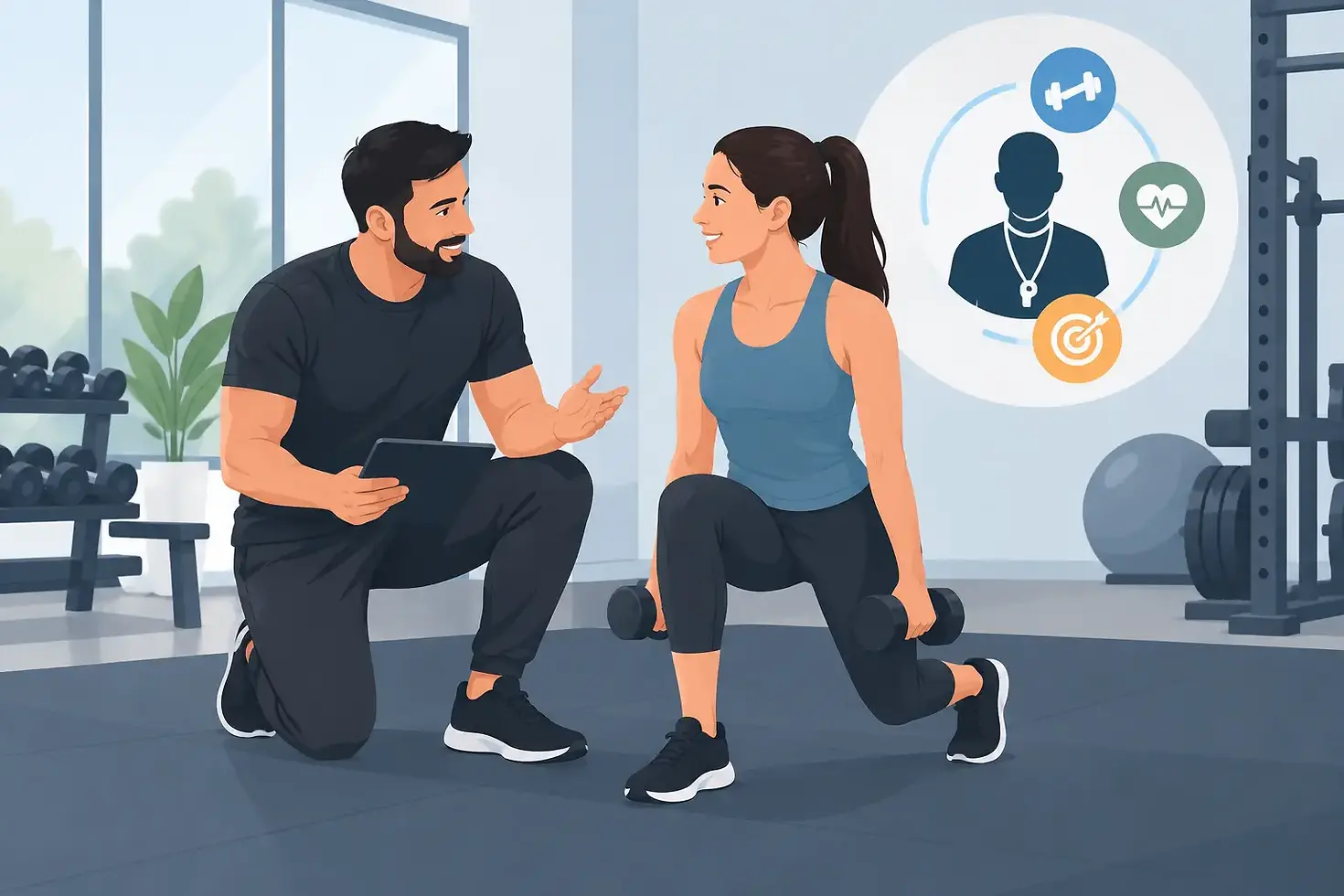
A good personal training experience begins with a conversation, not a clipboard full of assumptions. Your trainer should ask about your goals, current activity level, health history, injuries, preferences, and schedule. Maybe you want to feel stronger picking up your children, improve your balance, return to exercise after time away, or prepare for a specific event. Every goal is valid.
From there, your trainer should create a plan that feels challenging but realistic. A beginner does not need to train like an athlete on day one. Likewise, someone with years of gym experience may need more than a generic workout pulled from social media. Personal coaching is valuable because it meets you at your current starting point and gives you a clear next step.
The best sessions are encouraging without being overly easy. You should leave feeling proud of what you accomplished, even when the work was tough. You may be sore after a new workout, but you should not feel pressured, embarrassed, or ignored. Fitness grows through steady progress, good form, and trust - not intimidation.
A Personal Training Review Starts With Your Goals
Before signing up, take a moment to define what you want help with. “Get healthier” is a wonderful goal, but adding a little detail can help you and your trainer measure progress. You might want to exercise three times each week, improve your mobility, learn strength-training basics, reduce aches caused by sitting, or feel more confident in group fitness classes.
Your goal may also be practical. Busy parents often need a plan that works within a limited window between school drop-off, work, and dinner. Older adults may want to protect independence by improving strength and stability. Women who prefer a more private place to begin may want coaching that helps them feel comfortable before branching out into other areas of the club. The best plan respects those realities instead of treating them as excuses.
It also helps to be honest about what has not worked in the past. If you tend to start strong and lose momentum after a few weeks, accountability may be your biggest need. If you have avoided weights because you are unsure how to use them safely, education may matter most. If boredom is the problem, variety and a trainer’s encouragement can make a major difference.
Results Are More Than a Number on a Scale
Weight loss may be part of your goal, but it is not the only sign that training is working. Pay attention to the wins that make everyday life easier: carrying groceries with less strain, climbing stairs without getting winded, sleeping better, or having more energy for your family.
Confidence counts, too. The first time you complete a workout you once thought was beyond you, use a new piece of equipment comfortably, or choose movement because it feels good, you are building something that lasts. A trainer can help you recognize those milestones when you are tempted to focus only on the scale.
What to Look for in a Trainer
Credentials and experience matter, especially if you have an injury, medical concern, or specialized goal. But qualifications are only part of the picture. You also need a trainer who listens well, explains movements clearly, and adjusts the plan when life changes.
During an initial conversation, notice whether the trainer asks questions and pays attention to your answers. Do they explain why an exercise is included? Do they offer modifications when something does not feel right? Are they interested in helping you build habits outside of your scheduled session? These are strong signs of thoughtful coaching.
Personality matters as well. Some people thrive with high-energy motivation, while others prefer calm guidance and clear instruction. There is no wrong preference. You are more likely to stay consistent with someone who makes you feel seen, capable, and supported.
A trainer should also be comfortable saying, “Let’s adjust that.” Bodies, schedules, stress levels, and goals change. A plan that worked two months ago may need a new approach today. Flexibility is not a lack of structure. It is part of personalized fitness.
Questions Worth Asking Before You Begin
You do not need to know fitness terminology to ask smart questions. A brief conversation can help you feel prepared and make sure the service fits your needs. Consider asking how sessions are structured, how progress is tracked, and what happens between appointments.
Ask how the trainer works with beginners, past injuries, or long breaks from exercise. Ask whether they can help you learn the equipment and create independent workouts for days you train on your own. If your schedule is unpredictable, ask about appointment options and how often you need to meet to see progress.
It is also fair to ask about the investment. Personal training is a premium service because it provides dedicated time, expertise, and individualized attention. The best value is not always the highest number of sessions. It is the option you can attend consistently and use well. For some people, weekly sessions are the right fit. For others, meeting less often while following a trainer-designed plan between sessions is more practical.
The Trade-Off: Coaching Still Requires Your Participation
A trainer can provide structure, support, and a well-designed workout, but they cannot do the work for you. Progress depends on showing up, practicing healthy habits, and communicating honestly about what feels sustainable. That is not meant to discourage you. It is actually good news: small choices made consistently can create real change.
Personal training is not always necessary for every workout, either. Once you learn proper form and gain confidence, you may enjoy combining occasional training sessions with independent gym visits, group classes, pool time, or recovery amenities such as a sauna or steam room. A well-rounded routine can keep fitness interesting while supporting your whole lifestyle.
At Total Fitness Center, personal training can be part of a bigger, family-friendly wellness routine. You can work toward your goals in a welcoming setting, then build on that momentum through the club experiences that make it easier to keep coming back. For many members, convenience is not a small detail. It is what turns good intentions into a lasting habit.
How to Get More From Each Session
Come ready to share feedback. Tell your trainer if you had a difficult week, did not sleep well, felt pain during an exercise, or found a movement you truly enjoyed. This information helps them coach you better. You never need to “push through” pain to prove you are committed.
Between sessions, focus on one or two simple actions rather than trying to change everything at once. That could mean taking two independent workouts, adding a short walk after dinner, drinking more water, or practicing a movement your trainer taught you. Those small repetitions make your coached time more effective.
Keep a record of your progress in a way that motivates you. Some people enjoy tracking weights, repetitions, and measurements. Others would rather note how they feel, how often they showed up, or what daily task has become easier. Your progress should be meaningful to you, not a comparison to someone else’s journey.
Is Personal Training the Right Next Step?
Personal training can be especially helpful if you feel stuck, uncertain, or ready to take your health more seriously with a plan built around your life. It can also be a great starting point if the gym feels unfamiliar and you want a friendly guide in your corner.
But the timing should work for you. If your schedule is already stretched thin, begin with a realistic frequency rather than committing to more than you can sustain. If you are returning after an injury or health concern, get the appropriate medical guidance first, then work with a trainer who understands your needs.
The right coach will not promise overnight change. They will help you discover that progress is possible, even in a busy season. Start with one conversation, one session, and one achievable commitment to yourself. Your future routine does not have to be perfect to be powerful.


Comments