

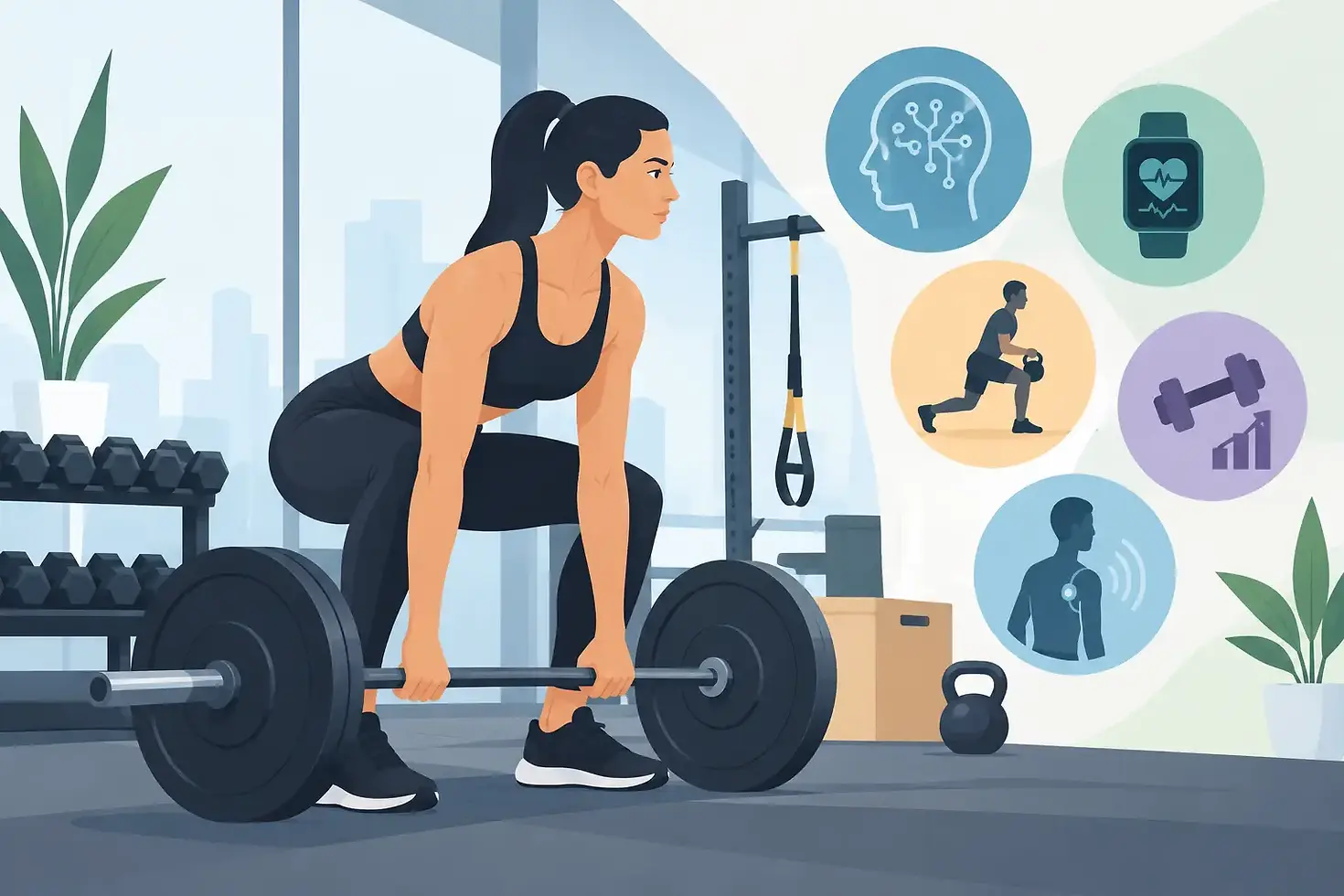
Strength Training Trends 2027 Worth Watching

A strong workout does not have to mean an intimidating room, a complicated plan, or hours away from your family. The strength training trends 2027 is likely to bring point toward something more useful for real life: training that helps people move better, feel more capable, recover well, and stay consistent through busy seasons.
For many people, strength training used to feel like it belonged to athletes or serious lifters. That idea is changing. More beginners, older adults, parents, and teens are discovering that building strength can support everyday goals, from carrying groceries and keeping up with kids to improving balance, confidence, and energy.
Strength Training Trends 2027: More Personal, Less Performative
The biggest shift may be a move away from workouts designed to look impressive and toward routines designed to fit the person doing them. Social media can make it seem like every session needs to be intense, perfectly filmed, and packed with advanced exercises. In reality, the best program is usually the one you can repeat safely and confidently.
In 2027, expect more focus on personalized starting points. A new member may begin with bodyweight movements, machines, or guided dumbbell exercises. Someone returning after an injury, pregnancy, or a long break may need a gradual plan that prioritizes comfort and control. An experienced lifter may want progressive strength goals and more challenging training blocks.
None of those approaches is better across the board. They are simply appropriate for different people. Supportive coaching and a welcoming environment make it easier to choose the right starting point without feeling judged.
Strength for everyday movement
Functional strength will continue to be a meaningful part of the conversation. This does not mean every workout has to copy a household chore. It means training with movements that help your body handle daily life: squatting to sit and stand, pushing, pulling, carrying, stepping, bracing, and rotating with control.
For adults who want to stay active as they age, this kind of training can be especially valuable. Strong legs, hips, back, and core muscles support stability and independence. For busy parents, strength can make the physical demands of family life feel a little easier. For teens, good movement foundations can build confidence before sport-specific training becomes more demanding.
The goal is not to chase a certain look or lift a number that has no meaning to you. The goal is to feel more capable in your own body.
Coaching and Technology Will Work Better Together
Fitness technology will keep growing, but the most helpful tools will not replace human support. Wearables, workout apps, smart equipment, and progress tracking can give members useful feedback on activity, recovery, sleep, heart rate, and training consistency. They can help turn vague intentions into a routine you can see.
Still, a screen cannot always tell whether you are nervous about using a machine, moving with poor form, or trying to push through a day when rest would serve you better. That is where a trainer, group instructor, or friendly team member matters.
In the best version of this trend, technology handles simple tracking while people provide encouragement, adjustments, and accountability. A program may include logged workouts and performance data, but it should also leave room for real life. If your child was up sick, work ran late, or your energy is low, a smart plan can adapt.
Progress will be measured in more than pounds
The scale has never told the whole story, and more people are recognizing that. Strength training progress can show up as better posture, a deeper squat, easier stairs, improved balance, less fear around the weight room, or the ability to finish a workout with energy left for the rest of the day.
Tracking strength is still useful. Adding a few repetitions, improving form, or gradually increasing resistance can show that your body is adapting. But 2027 will likely bring a broader definition of success. Consistency, confidence, mobility, and recovery deserve a place on the progress chart too.
Recovery Will Become Part of the Routine
More training is not always better training. Muscles need time, nutrition, hydration, and sleep to recover from challenging work. That message is becoming easier to hear as people look for fitness routines they can maintain for years rather than a few exhausting weeks.
Recovery does not have to be complicated. It may look like alternating demanding strength days with lighter movement, taking a rest day without guilt, stretching after a workout, or spending a few quiet minutes in a dry sauna or steam room. These practices can help members slow down and reconnect with how they feel.
The trade-off is simple: recovery should support your training, not become another source of pressure. You do not need an elaborate ritual to make progress. A consistent strength routine, adequate sleep, and a plan that respects your current fitness level can go a long way.
Mobility will have a practical role
Mobility work is also likely to remain connected to strength training. Rather than treating flexibility as a separate task reserved for the end of class, more programs will use controlled movement to prepare the body for lifting and improve comfort in common exercises.
For example, a warm-up may include gentle hip, ankle, shoulder, and upper-back movements before strength work begins. This can help you practice better positions under resistance. The goal is not to force your body into extreme ranges of motion. It is to move well within the range that is right for you.
Community-Based Strength Training Is Growing
A major reason people stop exercising is not a lack of information. It is a lack of connection. When no one knows your name, missed workouts can feel invisible. When you are part of a supportive gym community, returning after a difficult week feels easier.
Group strength classes, small-group coaching, and training partnerships can make workouts more enjoyable while still allowing for individual modifications. One person may use a lighter weight, another may choose a more advanced variation, and both can leave feeling successful. That flexibility is essential in a mixed-age, mixed-experience community.
Family-centered fitness will matter even more, too. Parents need realistic options, not advice that ignores childcare, school schedules, or the energy it takes to manage a household. A fitness center with childcare, youth programming, and a variety of workout spaces can remove some of the barriers that keep healthy routines from getting started.
At Total Fitness Center, that sense of belonging is part of the experience. Members can build strength while knowing there is room for beginners, parents, older adults, and anyone ready to take the next step.
Women’s Strength Training Will Keep Expanding
Women are increasingly claiming space in strength training, and that momentum should continue into 2027. The focus is moving beyond outdated messages about avoiding weights and toward practical benefits: stronger bones, greater confidence, improved daily function, and training that supports changing needs throughout adulthood.
A private women’s workout room can be a comfortable starting point for members who prefer more privacy as they learn new movements. Others may enjoy the motivation of a group class or one-on-one guidance. The right setting depends on personality and experience, but everyone deserves an environment where asking questions feels normal.
Strength training can also be adjusted through different life stages. The program that feels right during a high-energy season may need changes during pregnancy, postpartum recovery, menopause, or periods of high stress. Adaptation is not failure. It is one of the ways a healthy routine lasts.
What to Take From These 2027 Trends
You do not need to wait for a new year, a new gadget, or a perfect schedule to begin building strength. Start with a plan that matches your current life. Two or three well-guided sessions a week can be meaningful, especially when you focus on good form and give yourself time to improve.
Choose movements you can perform confidently, use resistance that challenges you without sacrificing control, and ask for help when you need it. If a workout feels too advanced, scale it back. If it has become too easy, progress gradually. Strength is built through steady effort, not by proving something in a single session.
The most encouraging trend for 2027 may be this: fitness is becoming more welcoming. There is room for the person taking their first walk through the weight room, the parent fitting in a quick workout, the older adult working on balance, and the longtime member chasing a new personal best. Find the support that makes you want to come back, and let each small win become part of a stronger life.


Comments